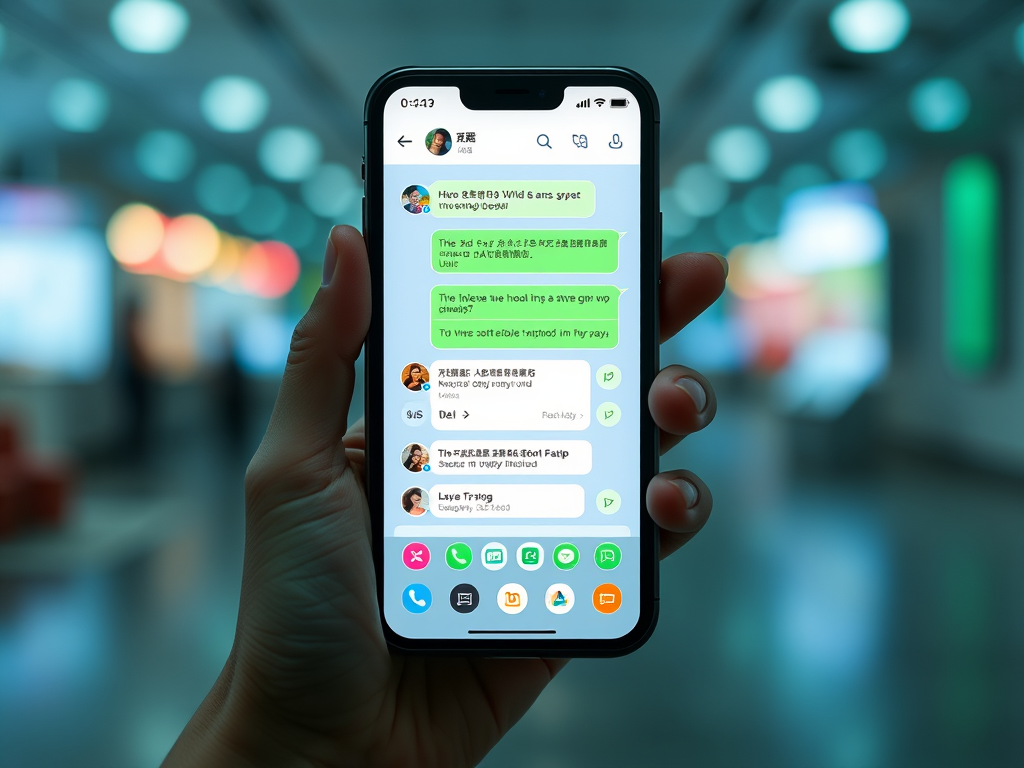
Weixin, known internationally as WeChat, is a great example of how a simple idea can scale into a full digital ecosystem. Launched by Tencent in 2011 as a basic messaging app, it quickly grew into a “super app” that people in China use for everything from chatting with friends to paying rent and ordering food.
At first, Weixin focused on young, urban smartphone users who wanted fast, easy communication. As its user base grew, Tencent expanded its functions instead of building separate apps. Over time, Weixin added photo sharing, voice messages, group chats, and social feeds, which made it more convenient than constantly switching between different platforms. This all-in-one approach helped turn casual users into daily, even hourly, users.
One of the most important milestones in Weixin’s development was the introduction of “official accounts” and mini-programs. These work like apps inside the app, allowing brands, media, and service providers to interact with users directly. Instead of downloading multiple apps, users can follow an official account, book a doctor’s appointment, buy clothes, or check delivery status without ever leaving Weixin. This design makes the app feel more like a mobile operating system than just a messaging tool.
Another key move was the launch of WeChat Pay, which transformed Weixin from a communication tool into a core part of China’s cashless economy. Tencent used culturally relevant campaigns, like digital “red envelopes” during Chinese New Year, to encourage people to link their bank cards and start sending money to friends and family. Once users got comfortable with mobile payments, they also started using Weixin to pay for taxis, groceries, and restaurant bills. This not only increased engagement but also created powerful revenue streams through payment fees, advertising, and partnerships.
From a marketing and business perspective, Weixin shows how important it is to build around user behavior rather than just pushing content. Companies use Weixin to do much more than post updates; they run loyalty programs, provide customer service, and even complete sales inside the app. Because everything happens in one place, brands can create smoother, more personalized experiences that keep people coming back.
For college students studying business, marketing, or tech, Weixin is a strong case study in platform strategy. It illustrates how integrating multiple services into a single, user-friendly ecosystem can generate network effects and long-term loyalty. While the Weixin model may not be easy to copy in other countries due to cultural, regulatory, and competitive differences, its success raises important questions about the future of social media, mobile payments, and “super apps” in the global digital economy.
Mahoney, L. M., & Tang, T. (2024). Strategic social media: From marketing to social change. Wiley-Blackwell.
 Site Title
Leave a comment